Stereotypical media depictions of small-town life often go one of two ways. The first is the idyllic, tight-knit community found in Hallmark Christmas specials. The second is the sinister version favored in horror movies, where the town and its residents hide an awful secret.
For the most part, we lift up media that eschew both of these tropes, preferring stories that represent rural people and places with nuance and complexity. But there can be a certain guilty pleasure in enjoying a story that leans hard into rural tropes and doesn’t look back.
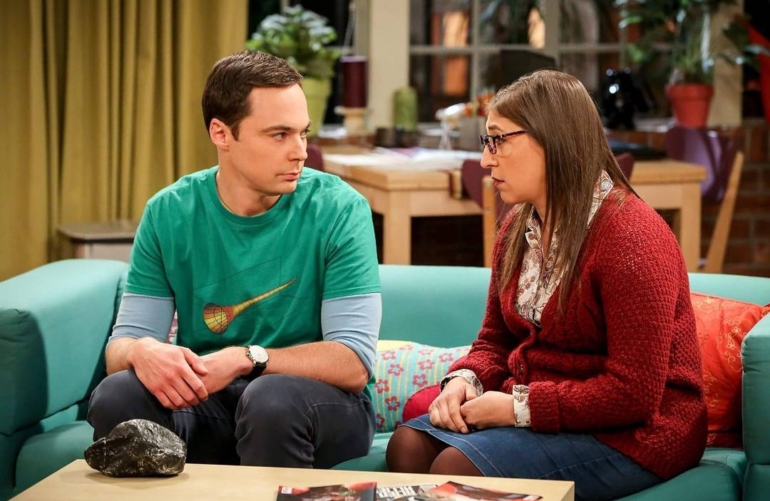
“Wayward” is one of these shows. Though it opens in Toronto, most of the action in the Netflix eight-part limited series takes place in the fictional town of Tall Pines, Vermont in 2003. In the first episode, police officer Alex Dempsey (Mae Martin) and his wife Laura (Sarah Gadon) relocate to the small town from Detroit, seeking a fresh start for Alex and a return home for Laura, who is pregnant. Around that same time, the town welcomes two other urban transplants: “troubled” Toronto teenagers Abbie (Sydney Topliffe) and Leila (Alyvia Alyn Lind), who are sent forcibly to Tall Pines Academy, a therapeutic reform school run by self-help guru Evelyn Wade (Toni Collette).
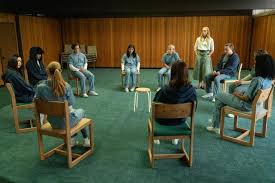
From the inside, Tall Pines Academy looks a lot like a prison but with the addition of new-age psychotherapy that veers quickly into emotional, psychological, and physical mistreatment. Here “Wayward” borrows from a real-life phenomenon: the largely unregulated “troubled teen” industry that includes controversial “wilderness therapy” camps. Though the school, and Evelyn’s unique treatments, are fictional, many elements are based in reality, including kidnappings, rampant abuse, and student deaths.
As Abbie and Leila struggle to get their bearings and find a way to escape the school, Alex slowly uncovers the sinister side of the idyllic town. Laura tells Alex that Tall Pines is progressive and open-minded (unlike other small towns, of course!) because it was founded by hippies in the 1970s. As time goes on, it becomes clear that by “hippies,” Laura meant “murderous cultists,” headed by the charismatic – and terrifying – Evelyn (Toni Collette is phenomenal here). And though the school is located deep in the woods, it is inextricably linked to the larger community.